
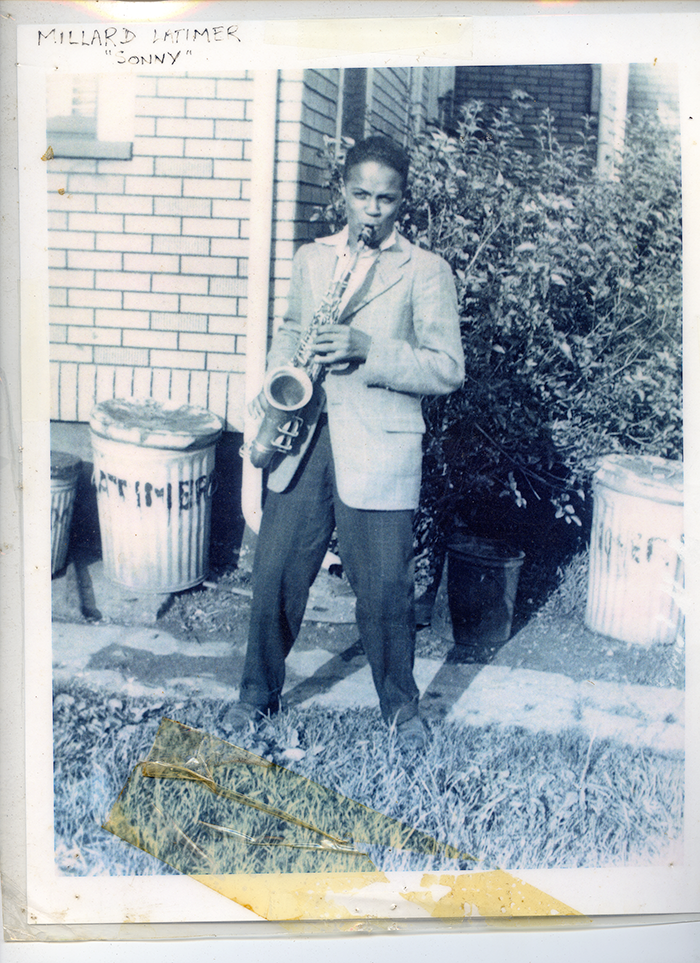
Clarissa Uprooted: Unearthing Stories of Our Village (1940s-early 1970s)
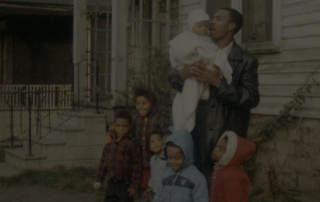
The Clarissa Uprooted exhibit focuses on the once thriving African-American residential and business corridor in Rochester, NY’s Third Ward – aka Rochester’s Black Wall Street.
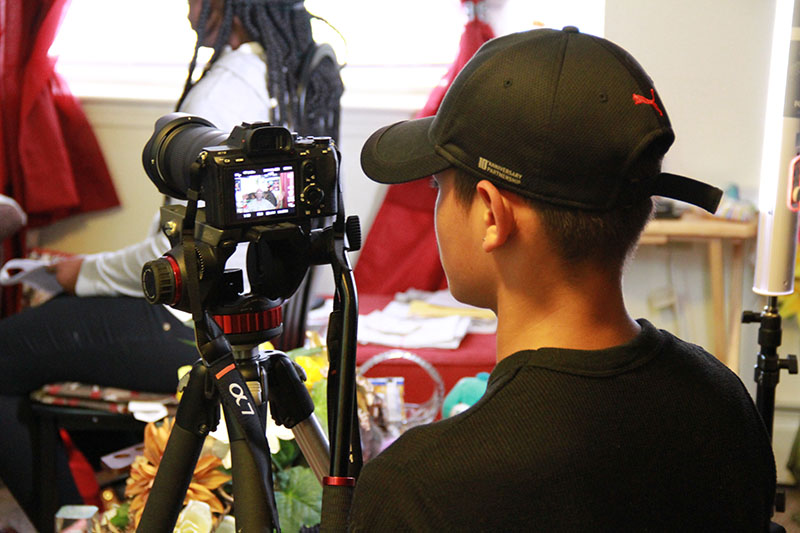
For 25+ years, the Clarissa Street Reunion Committee (now known as Clarissa Street Legacy) has kept the memory of the Clarissa Street community alive with a street festival-style reunion, welcoming thousands of people each year. In 2019, Teen Empowerment hired a group of Youth History Ambassadors (YHAs) to work with the Committee to capture oral histories with elders who remembered Clarissa Street before it was dismantled by “urban renewal” policies.
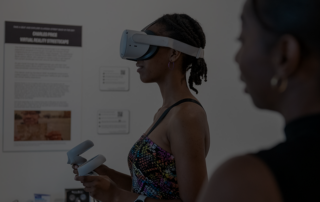
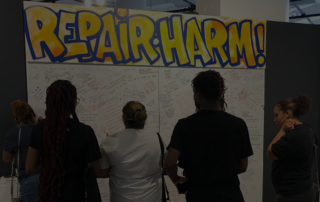
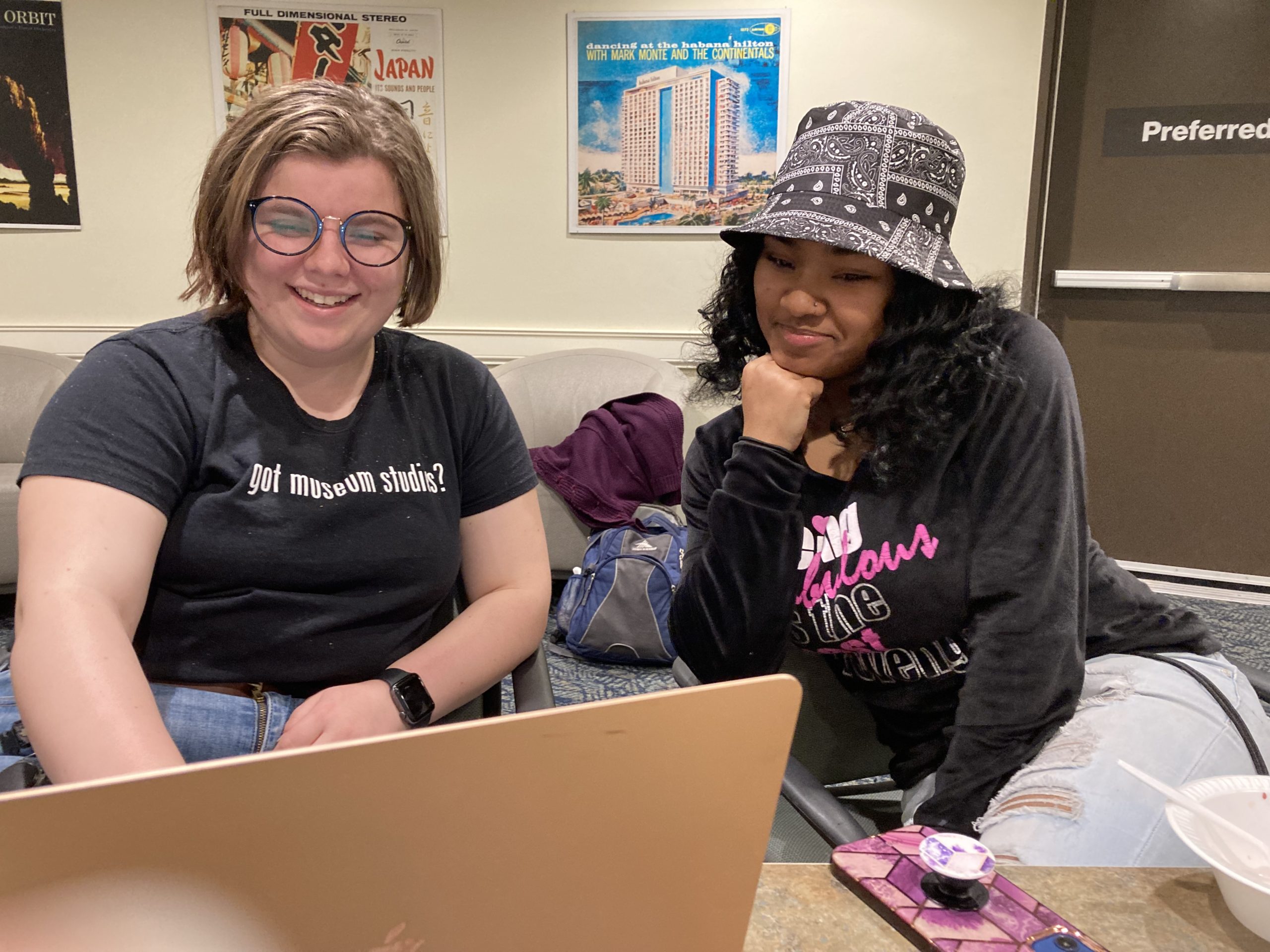
Together, following on the success of their nationally award-winning documentary short, a team of intergenerational history ambassadors (TE youth and Clarissa St. elders) brought first-hand expertise, vision and determination, while archivists, historians, journalists, preservationists and museum scholars enthusiastically brought resources and technology, to build a museum-quality exhibit that uncovers how Rochester became what it is today.
Experience the Clarissa Street village through these online exhibit tiles.
Explore the Exhibit
Explore Clarissa Uprooted exhibit artifacts below, along with the Resources tab for further exploration.
Your interest in this space, as well as donations and advocacy, support the effort to establish a permanent home for the physical exhibit!
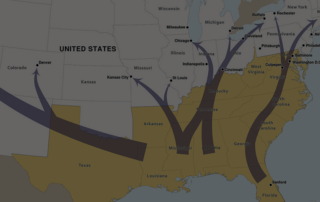
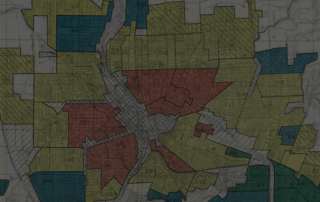
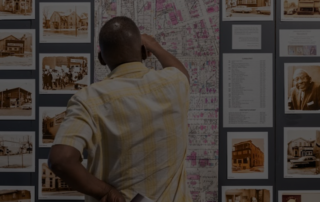
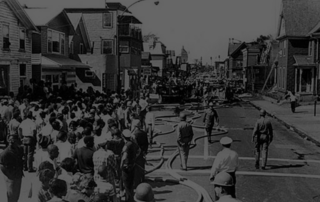
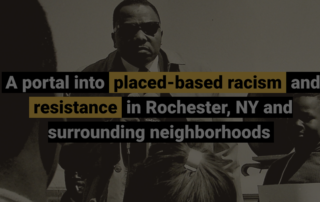
Watch the Documentary First
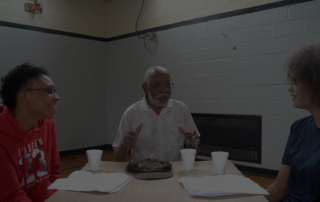
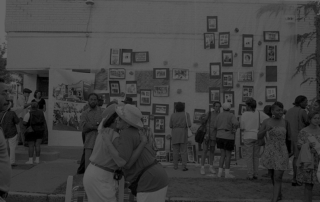
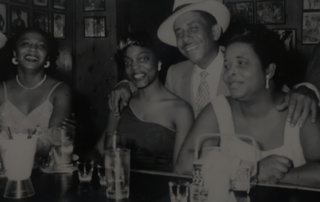
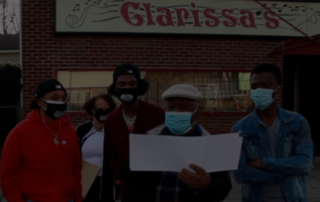
The Clarissa Uprooted exhibit was heavily inspired by the success of the Clarissa Uprooted documentary. For the best experience, we encourage everyone to watch our 25 minute documentary Clarissa Uprooted: Youth and Elders Uncover the Story of Black Rochester for additional context before visiting the exhibit.
Thank You to Our Sponsors!





Any views, findings, conclusions, or recommendations expressed in this exhibition do not necessarily represent those of the National Endowment for the Humanities.